Cart 0
No products in the cart.

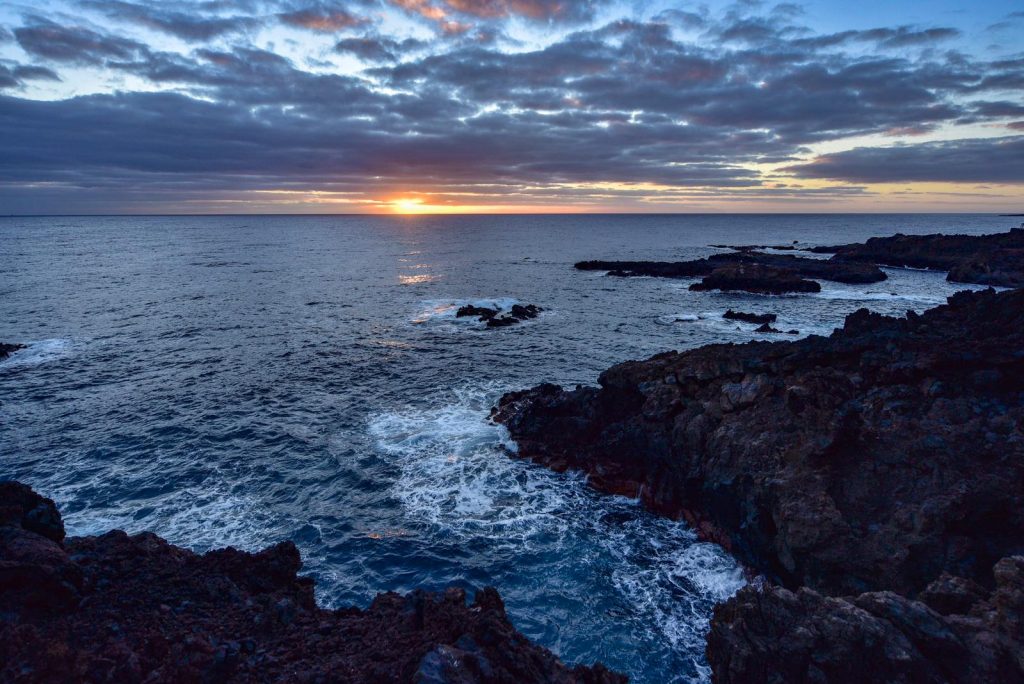
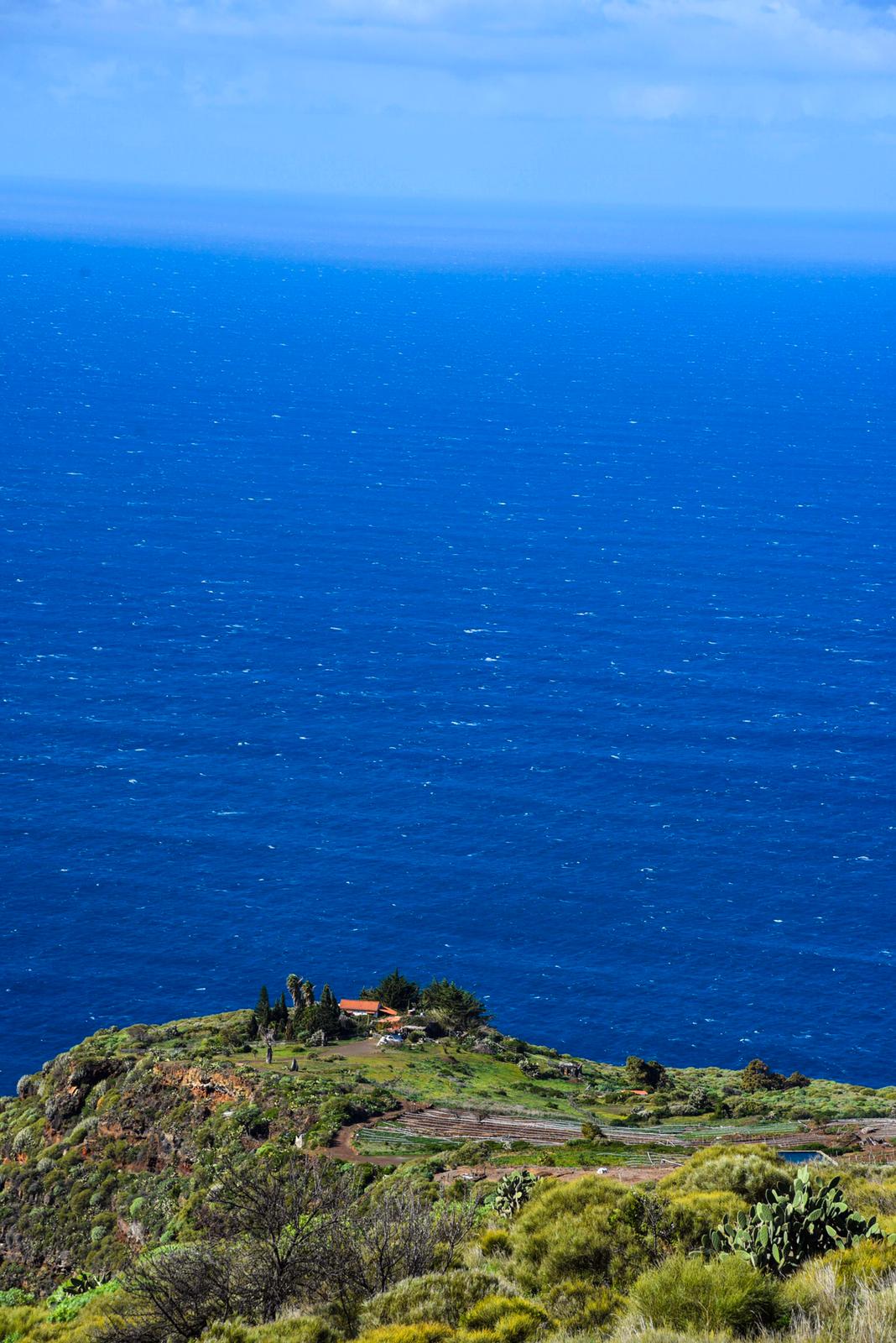
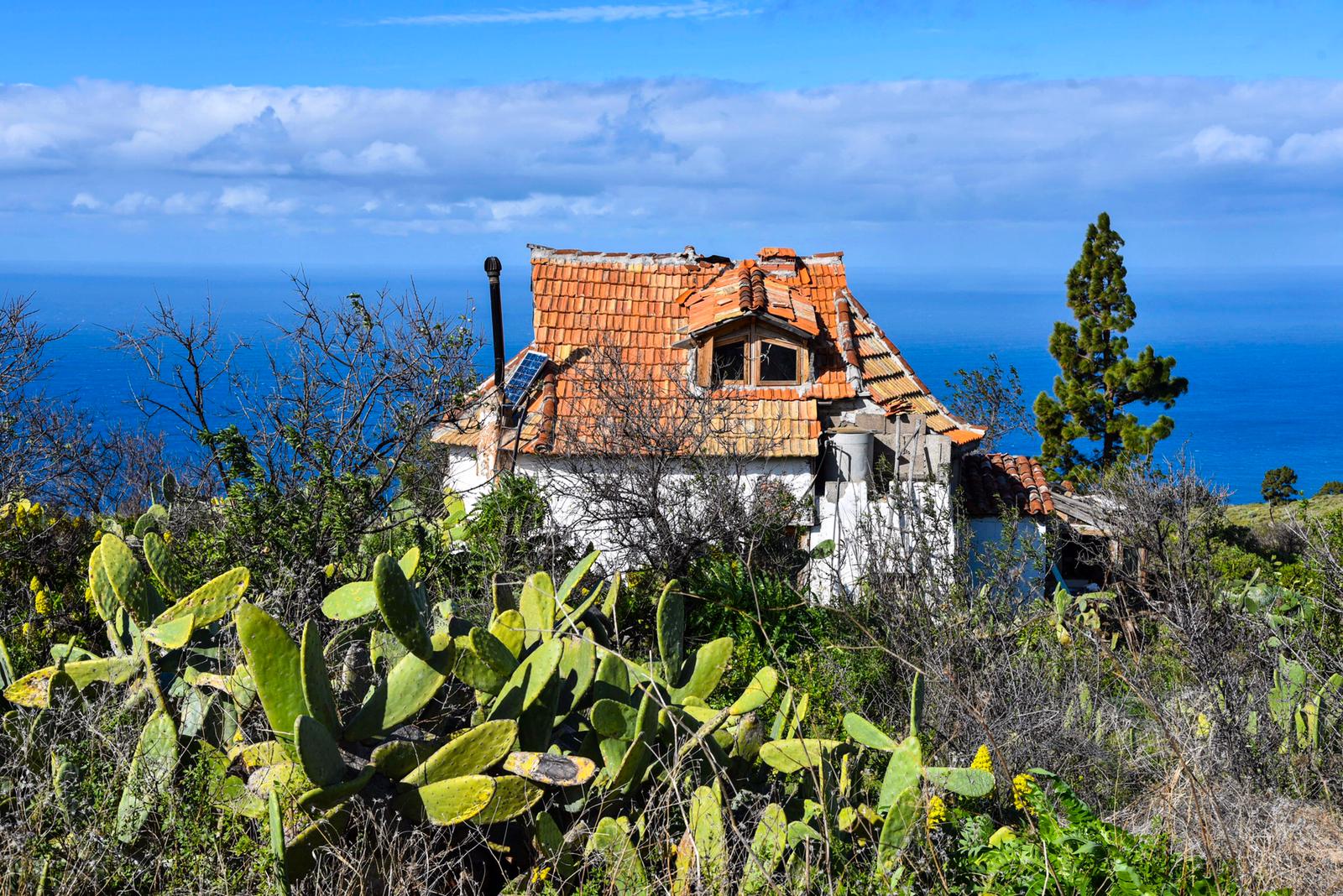
La Palma is one of the islands known as the Canary Islands. These islands belong to Spain, although geographically they’re much closer to Africa and Morocco.
The Canary Islands are famous for their climate and vegetation, and many Europeans love traveling there for their holidays and to enjoy the sunshine. During the warmer seasons, La Palma is great for water activities and relaxing by the beach. In the colder months, the weather is mild and slightly cool, making it much more comfortable to explore the island.
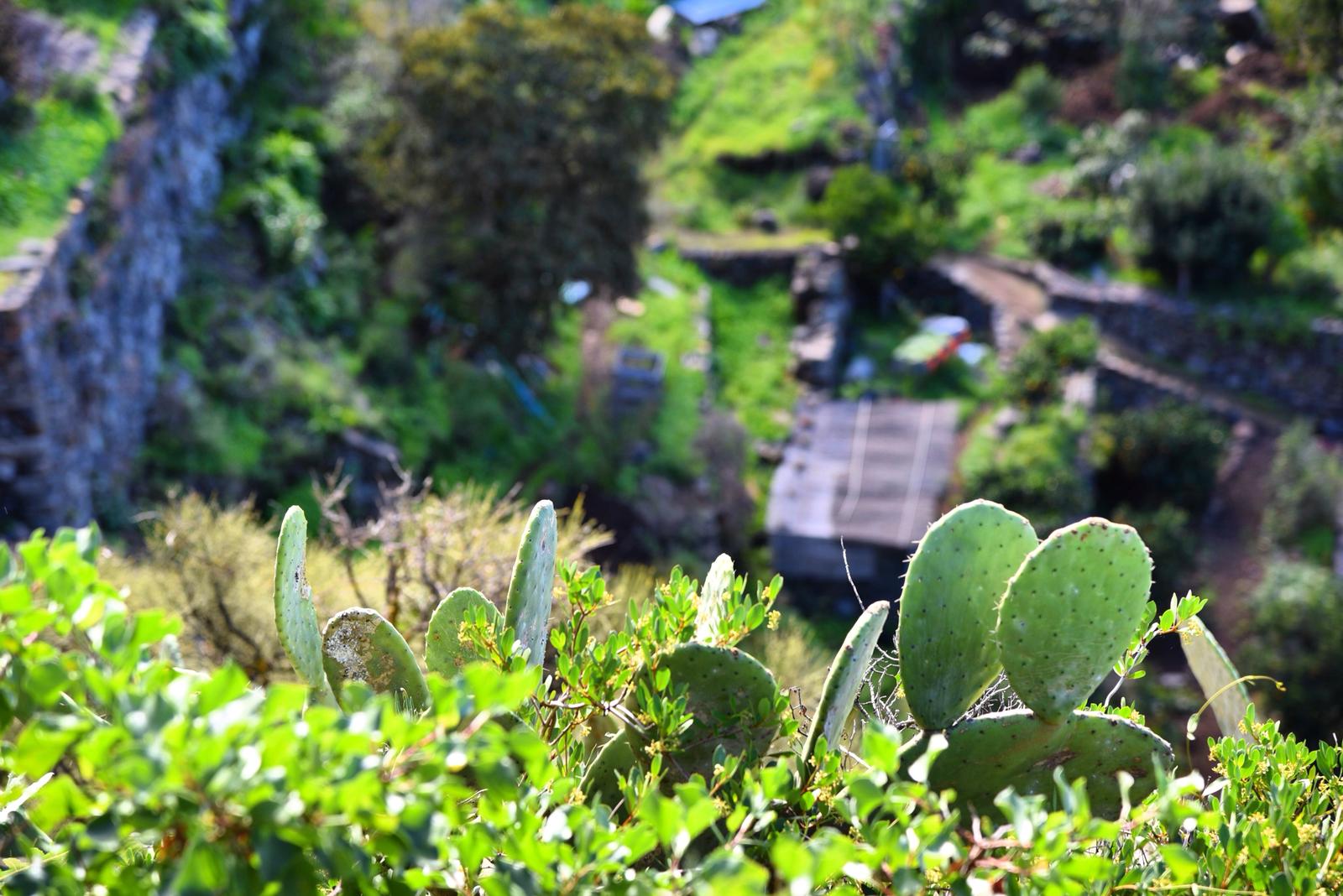
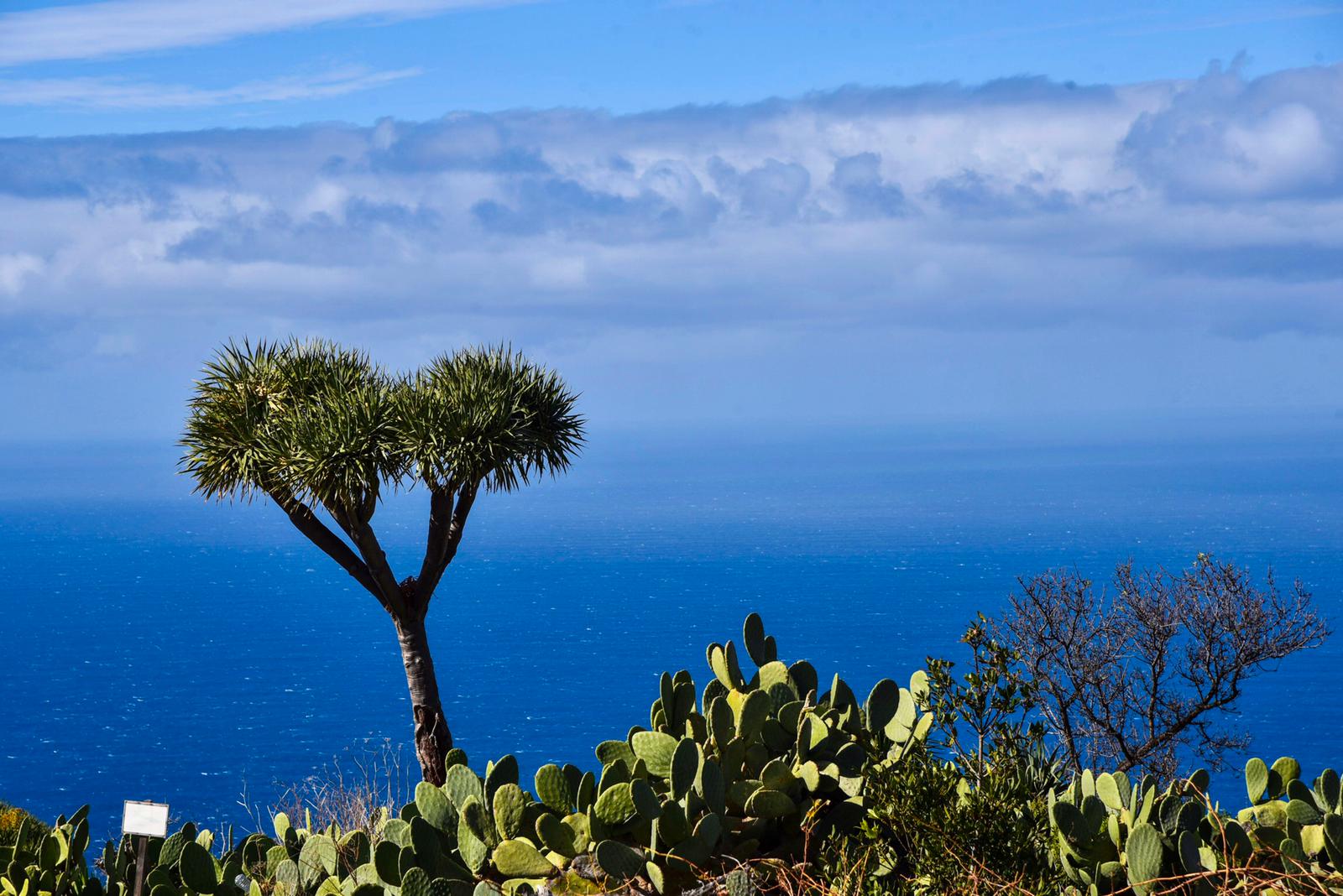
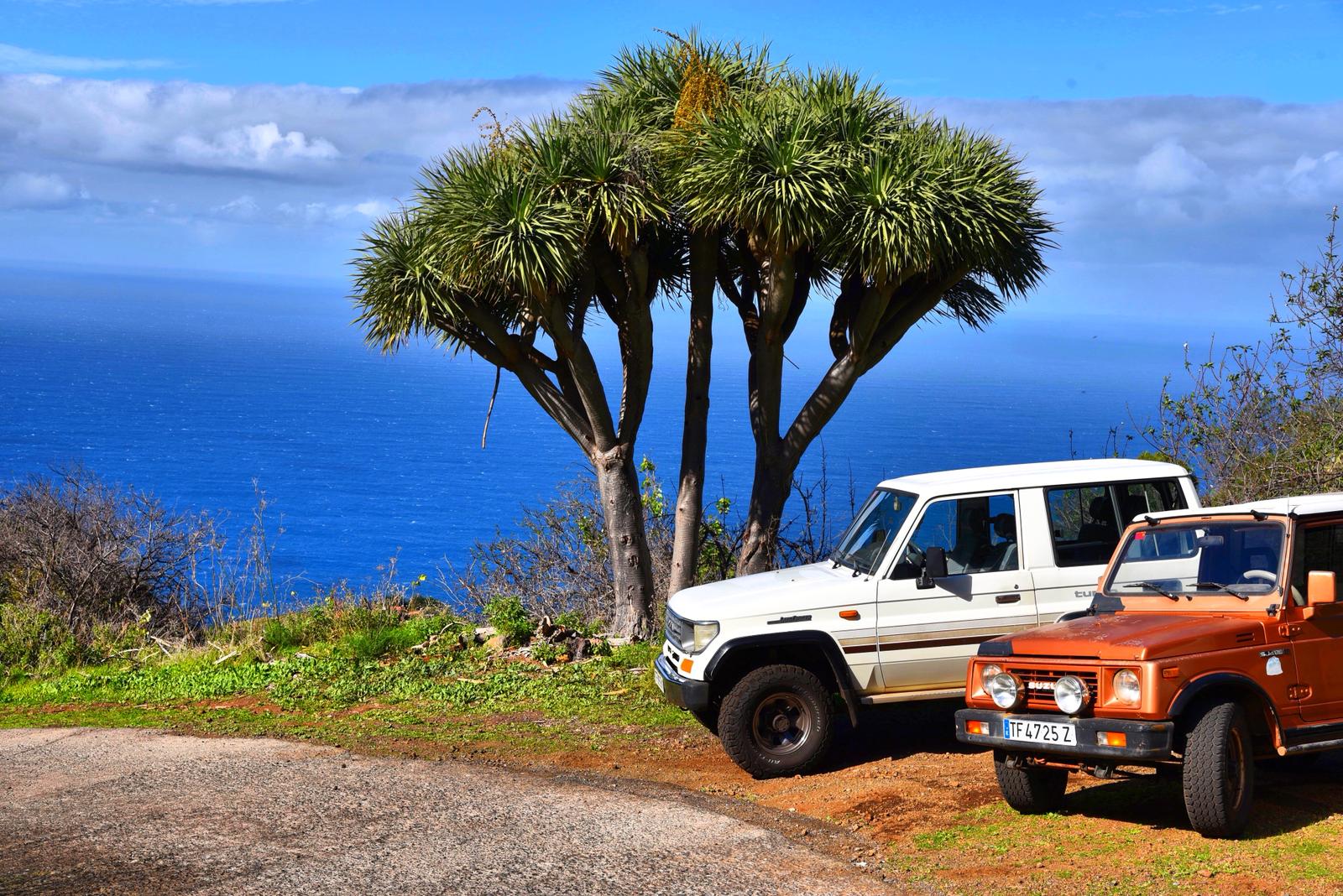
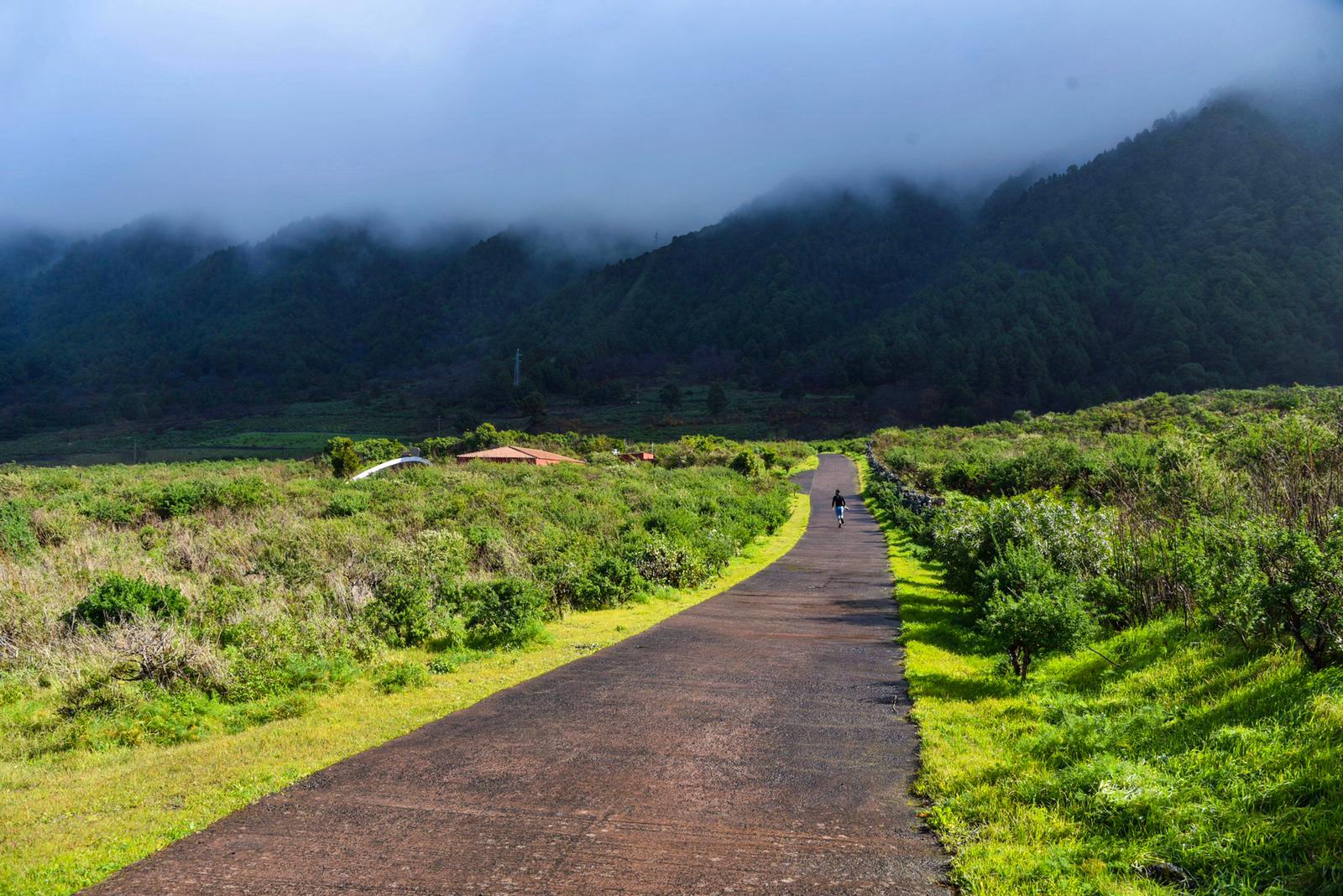
The first thing that caught my attention when I arrived was the palm-like vegetation covering the island. Seeing all those trees, I thought I understood why the island was called La Palma. At first, I assumed they were all palm trees, but after entering the town, I realized that the island was actually covered with banana plantations. Just like the endless rice fields in northern Iran, there were banana farms everywhere. That’s why the island’s economy is largely based on banana exports, with tourism coming second.
The second thing that makes this island completely different is its dramatic elevation. There’s a difference of more than 2,500 meters between sea level, the island’s lowest point, and its highest mountain peaks.
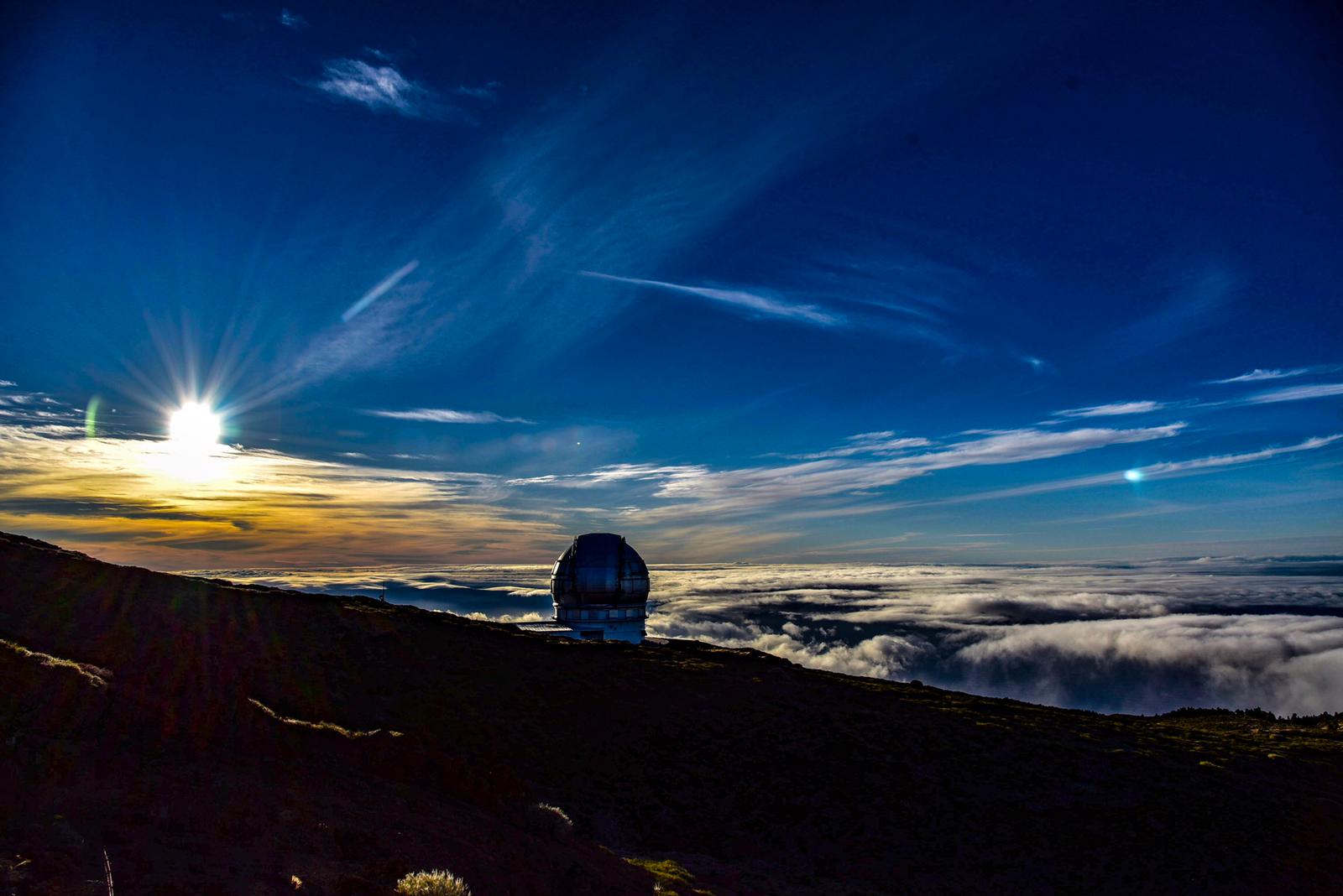
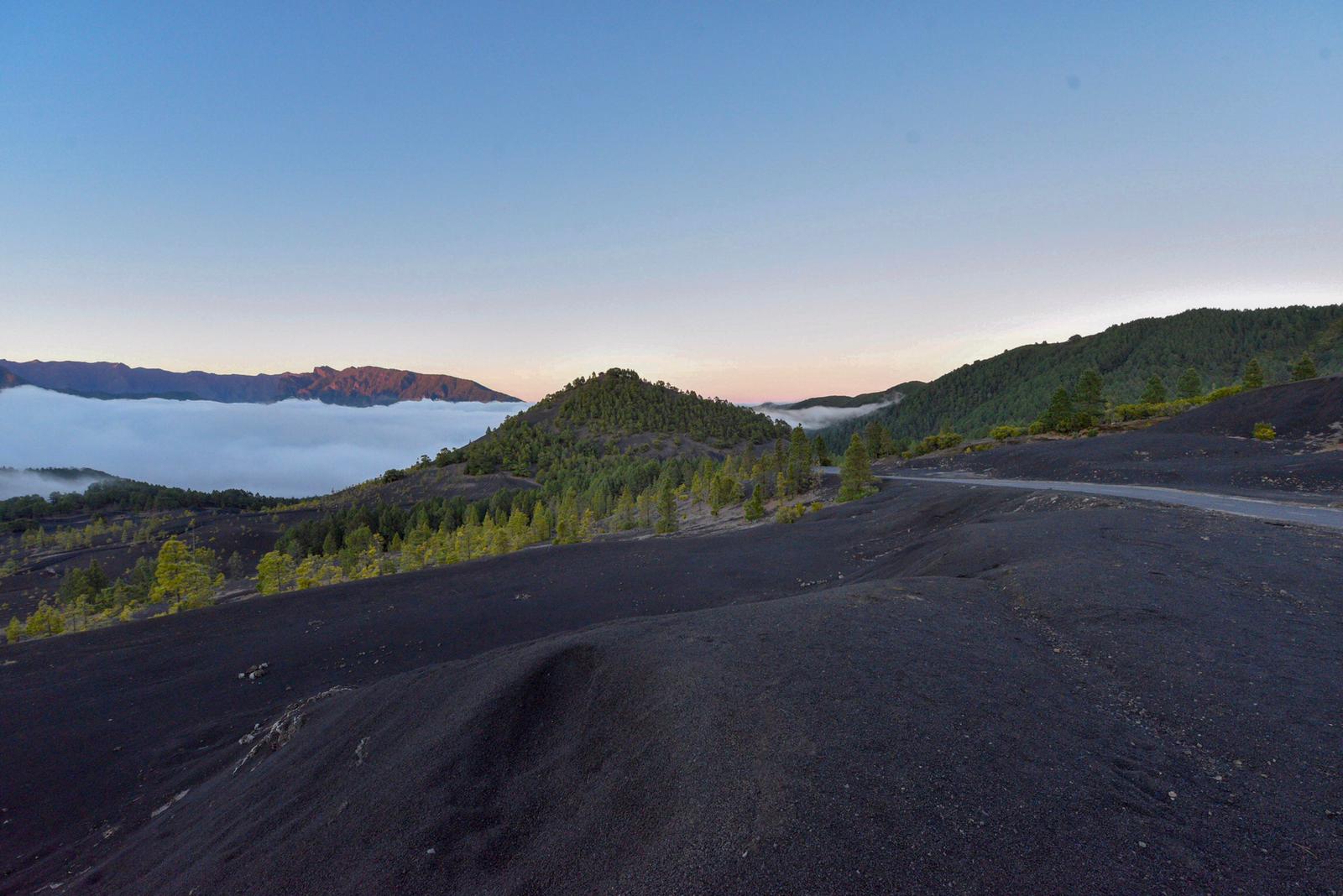
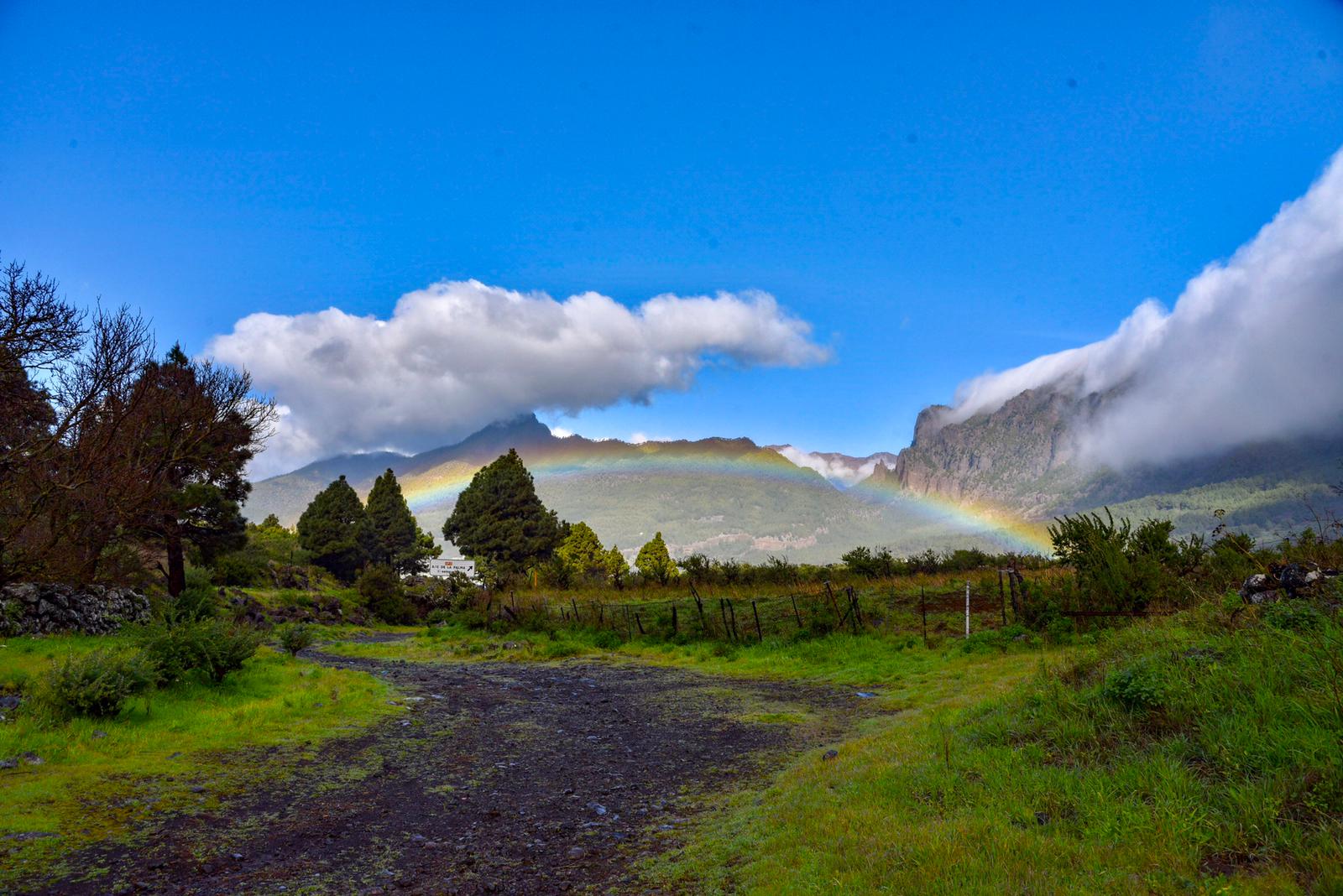
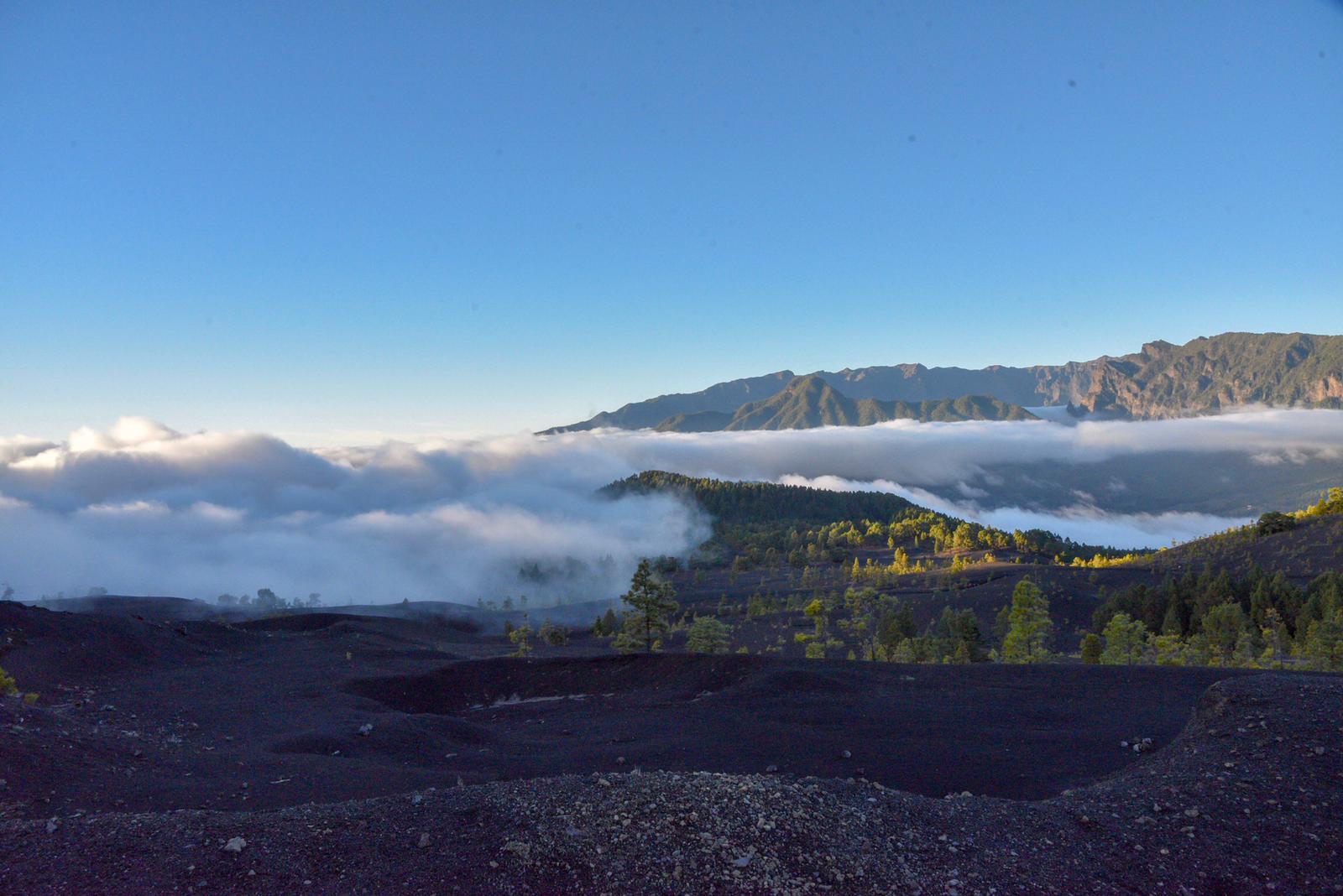
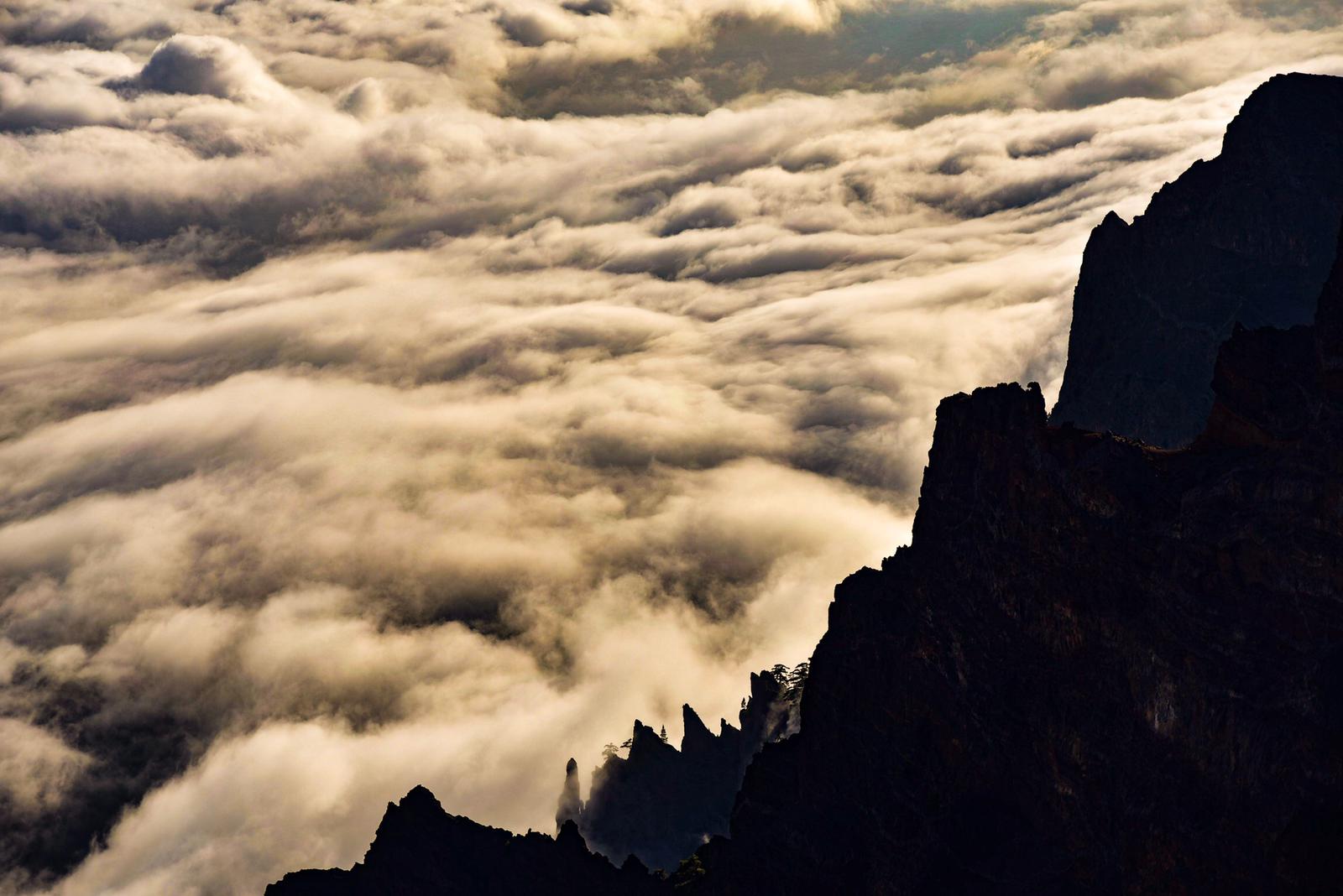
Because of the island’s weather conditions, clouds often form below an altitude of 2,000 meters. This means that when you go up into the mountains, you can actually watch the clouds dancing beneath your feet. Seeing them move rapidly between the lower mountains, pushed by the island’s strong winds, was an incredibly beautiful and fascinating sight.
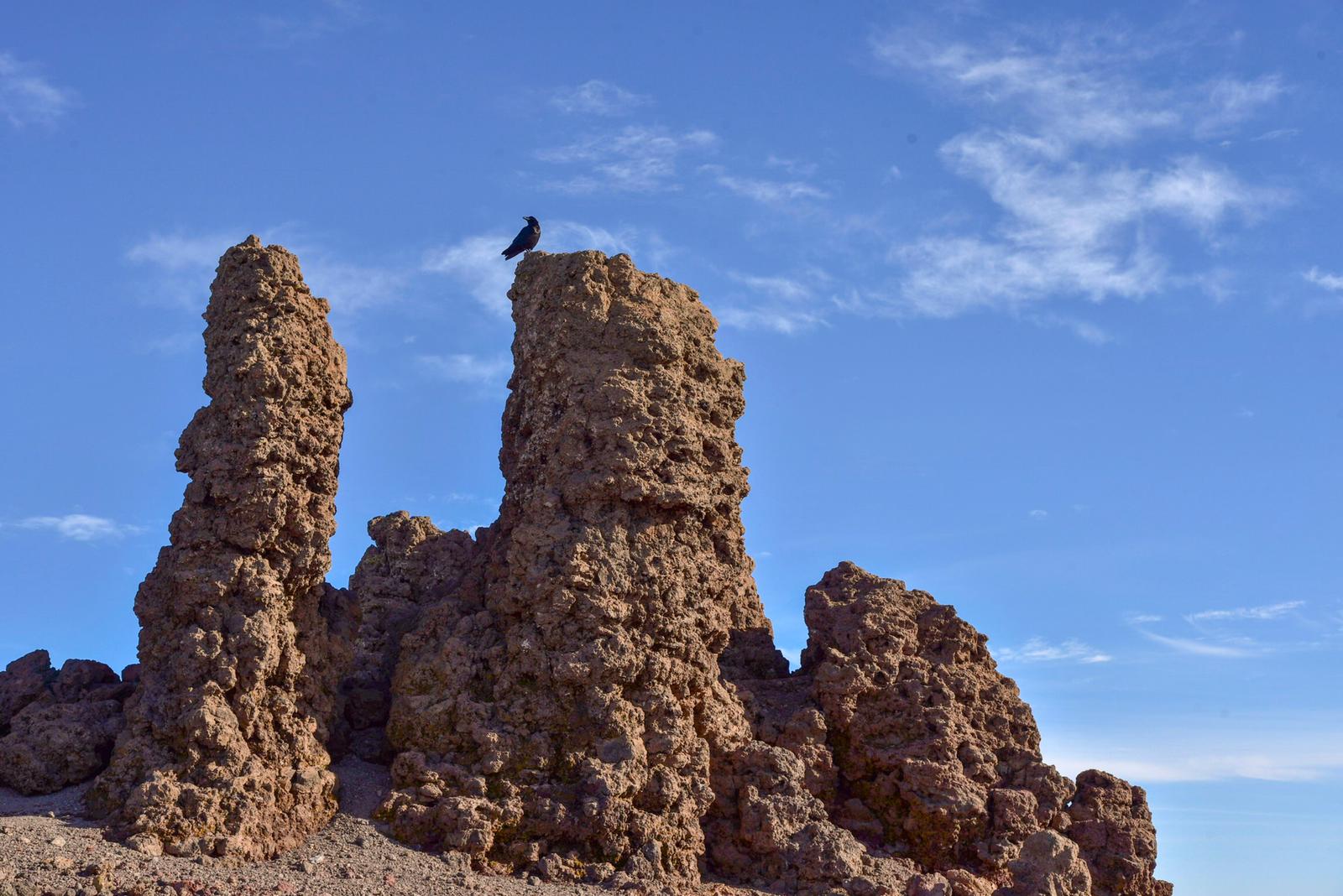
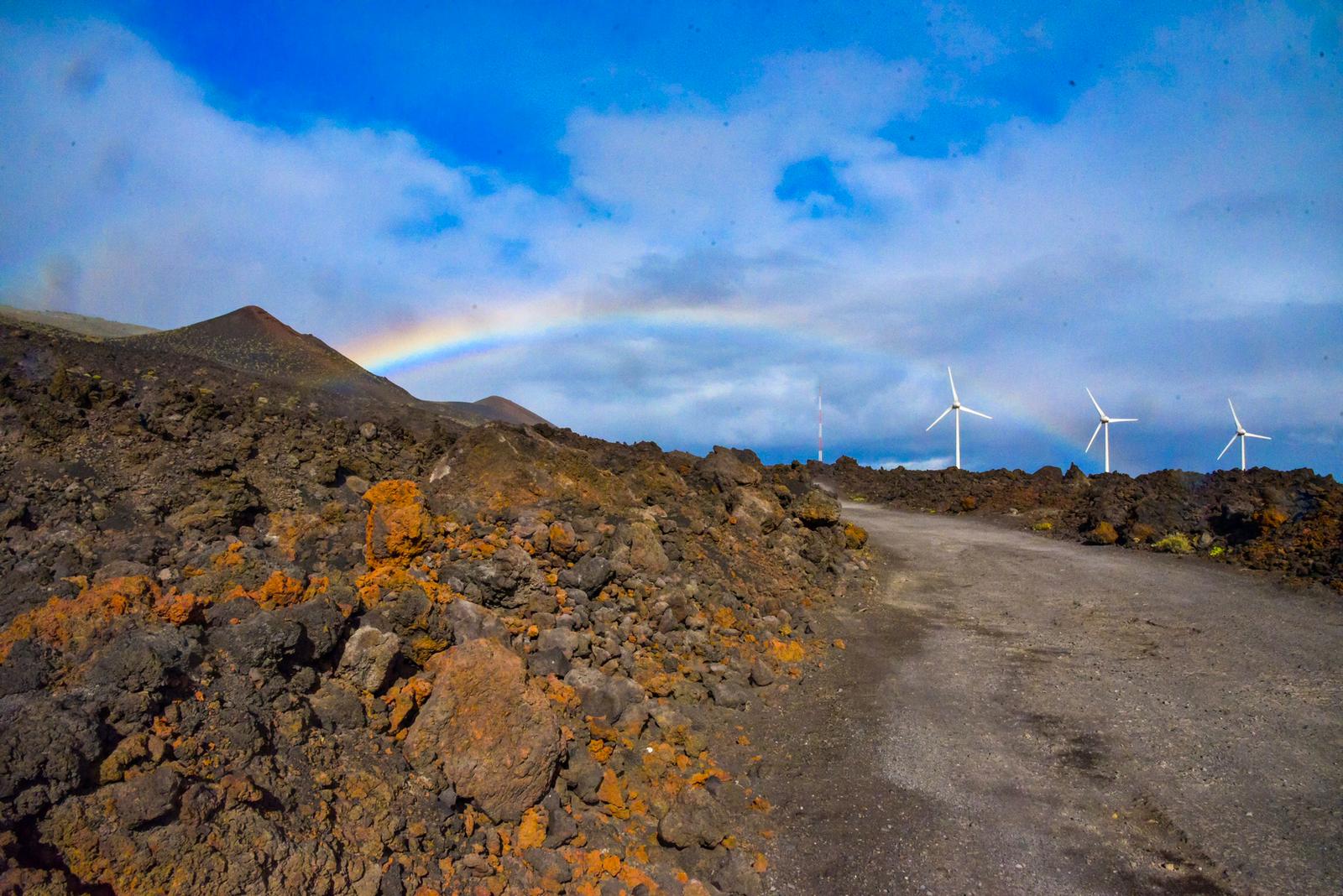
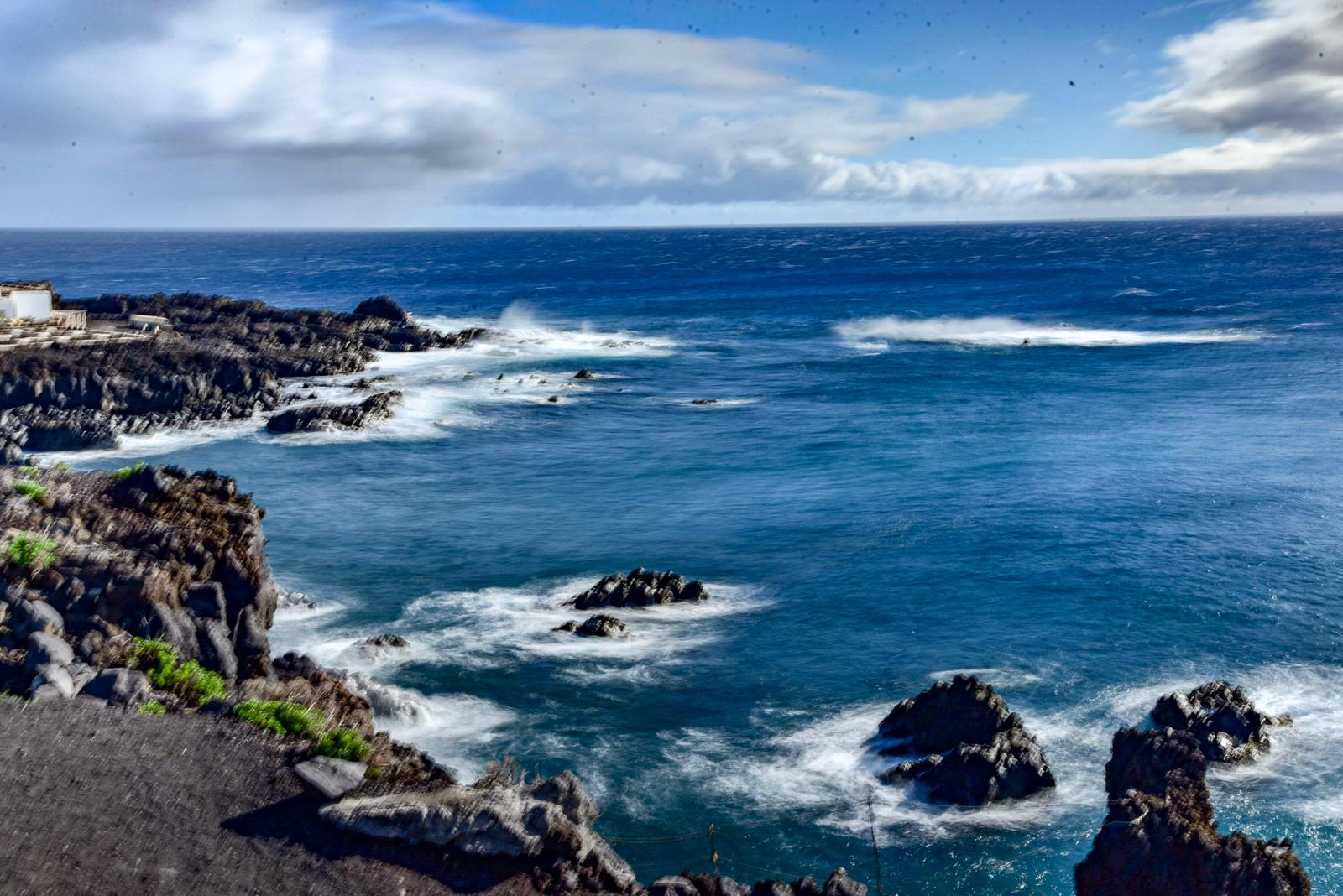
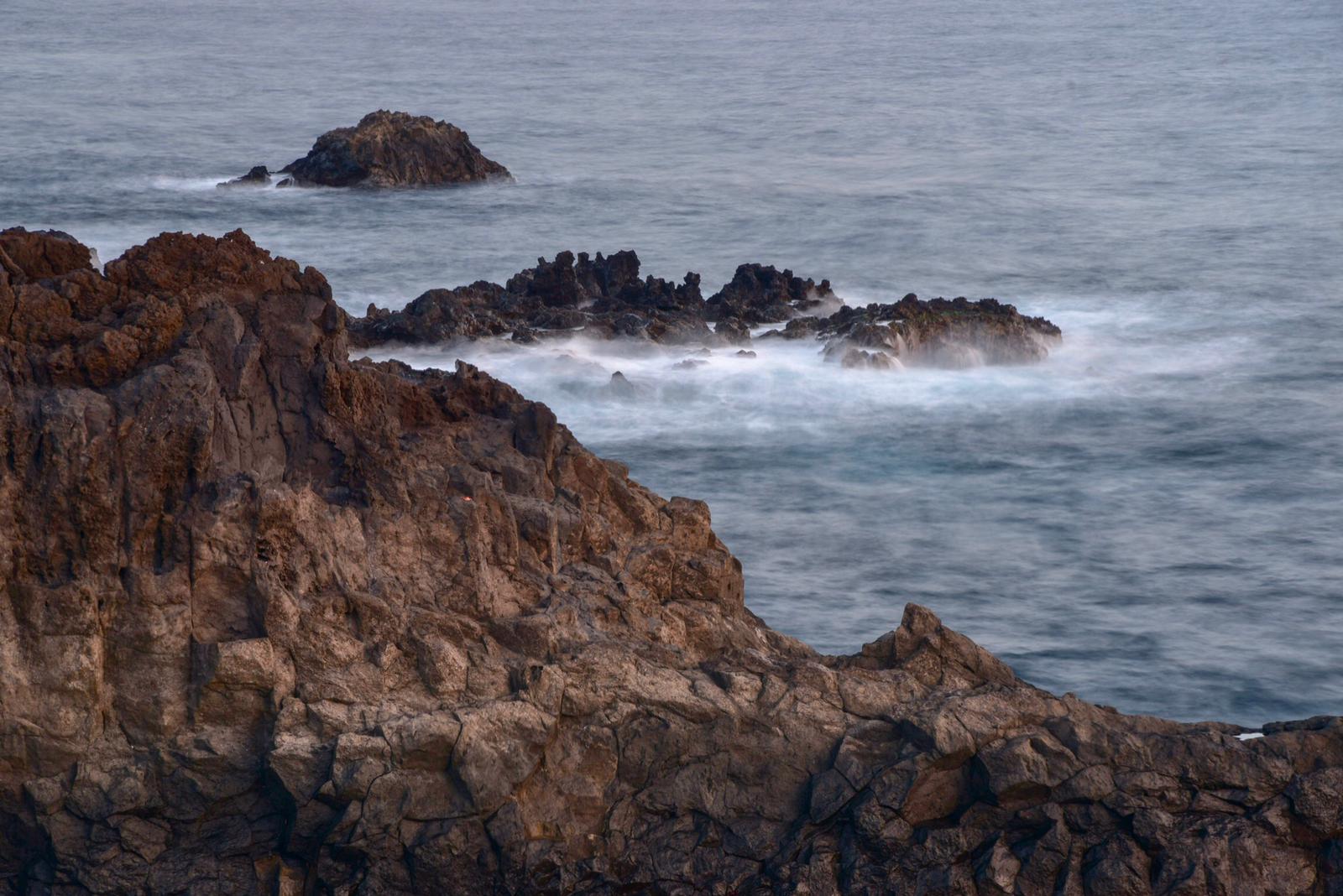
The island has volcanic mountains, and some of its volcanic areas have been inactive for many years. Past eruptions covered much of the island with volcanic rock. That’s also why the beaches have black sand, with a texture completely different from any sand I had seen before.
I didn’t notice much wildlife on the island itself. The only animals I really saw were rabbits. But not far from the coast, you could watch different species of dolphins, whales, and colorful fish swimming in the ocean.
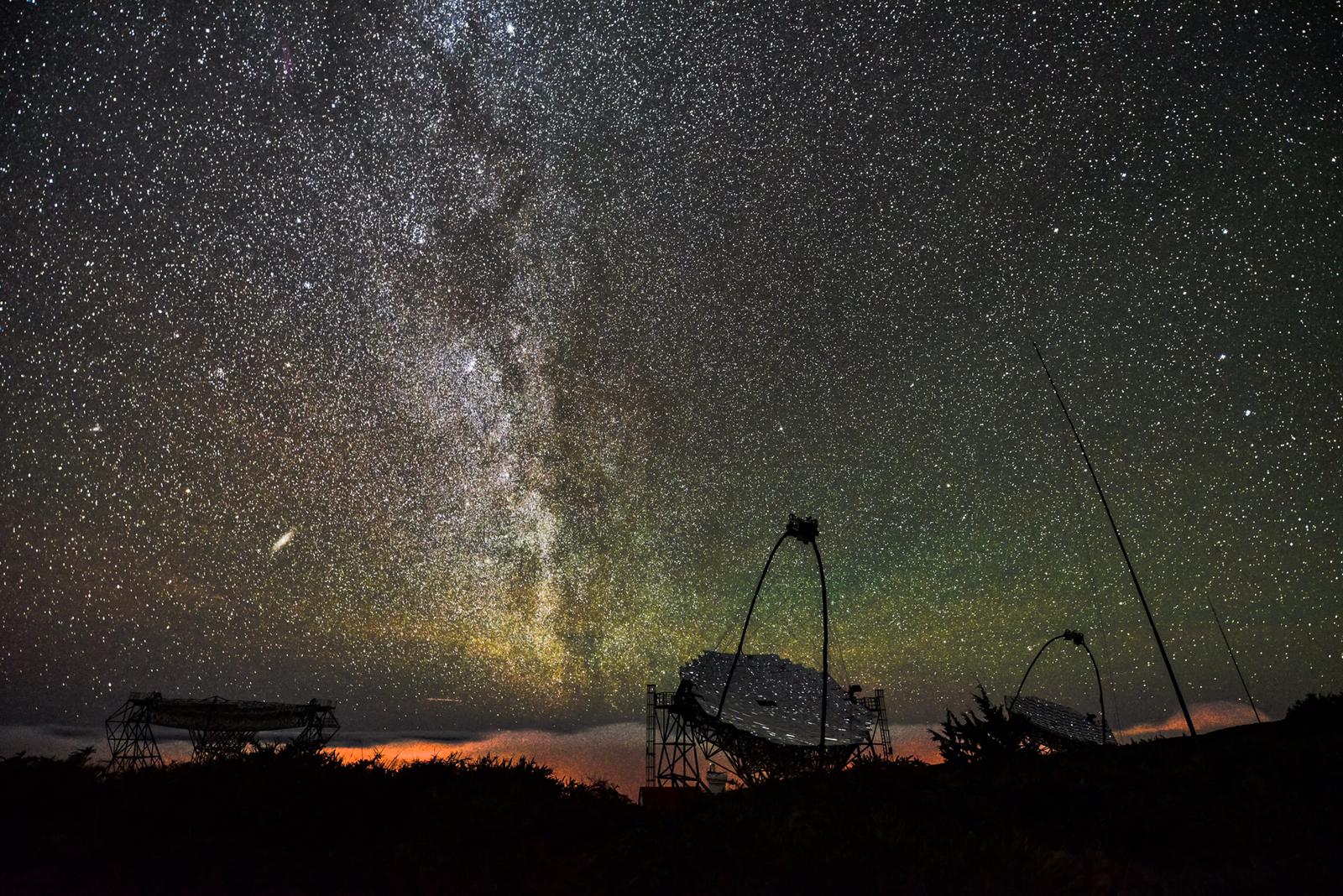
And finally, it was time for Muchachos. This is an area at an altitude of about 2,300 meters, and the main reason we traveled to La Palma was to visit these mountains for night photography.
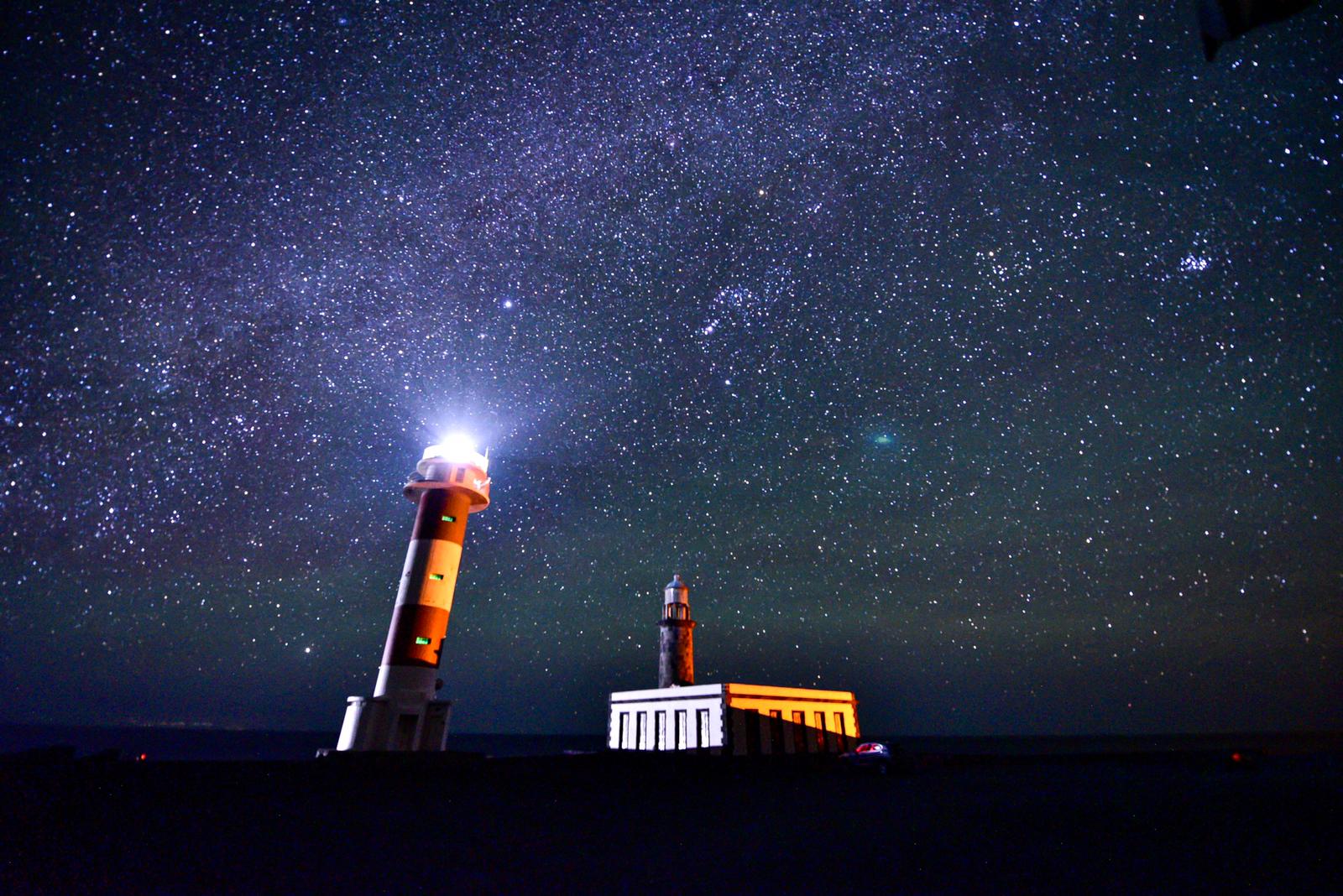
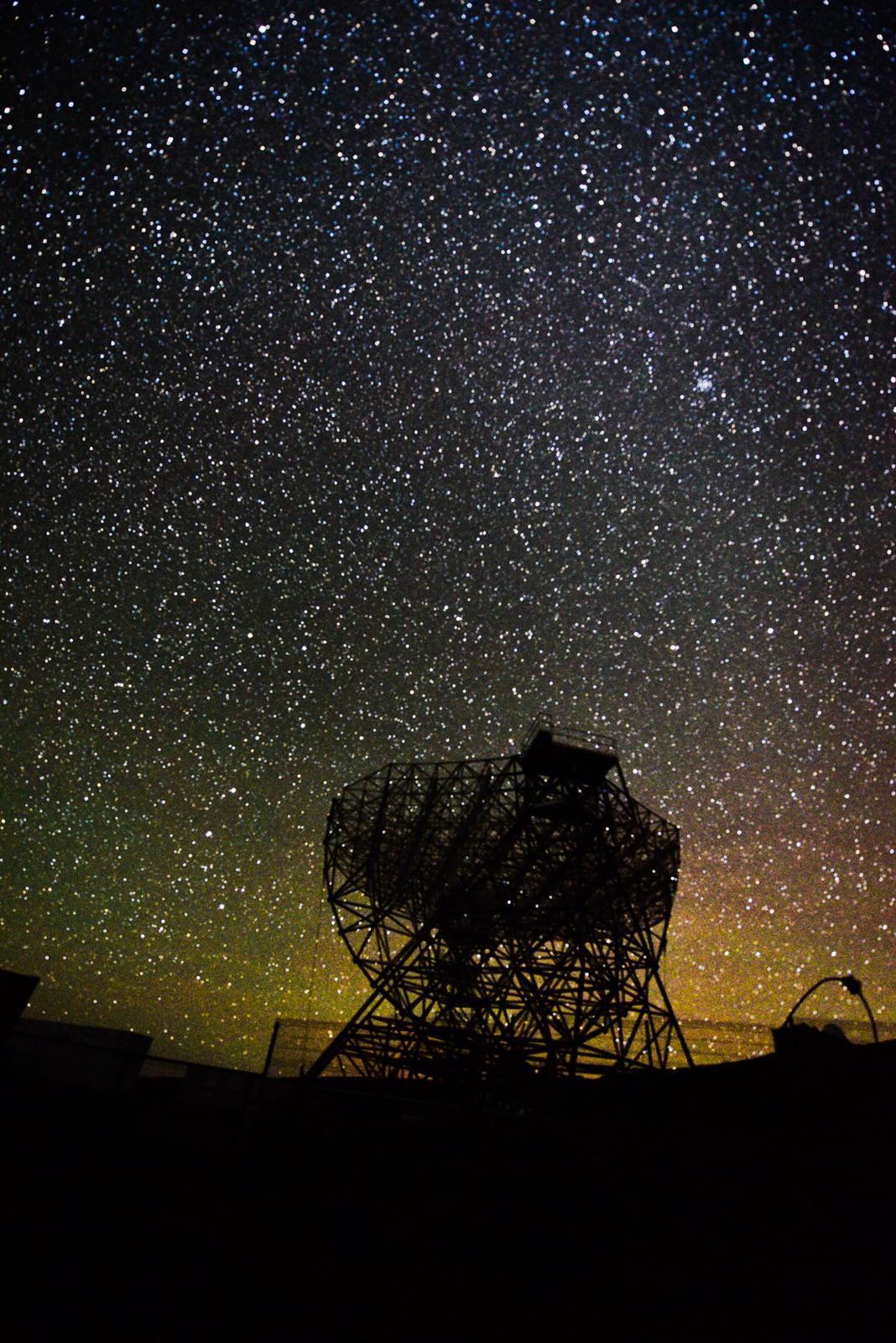
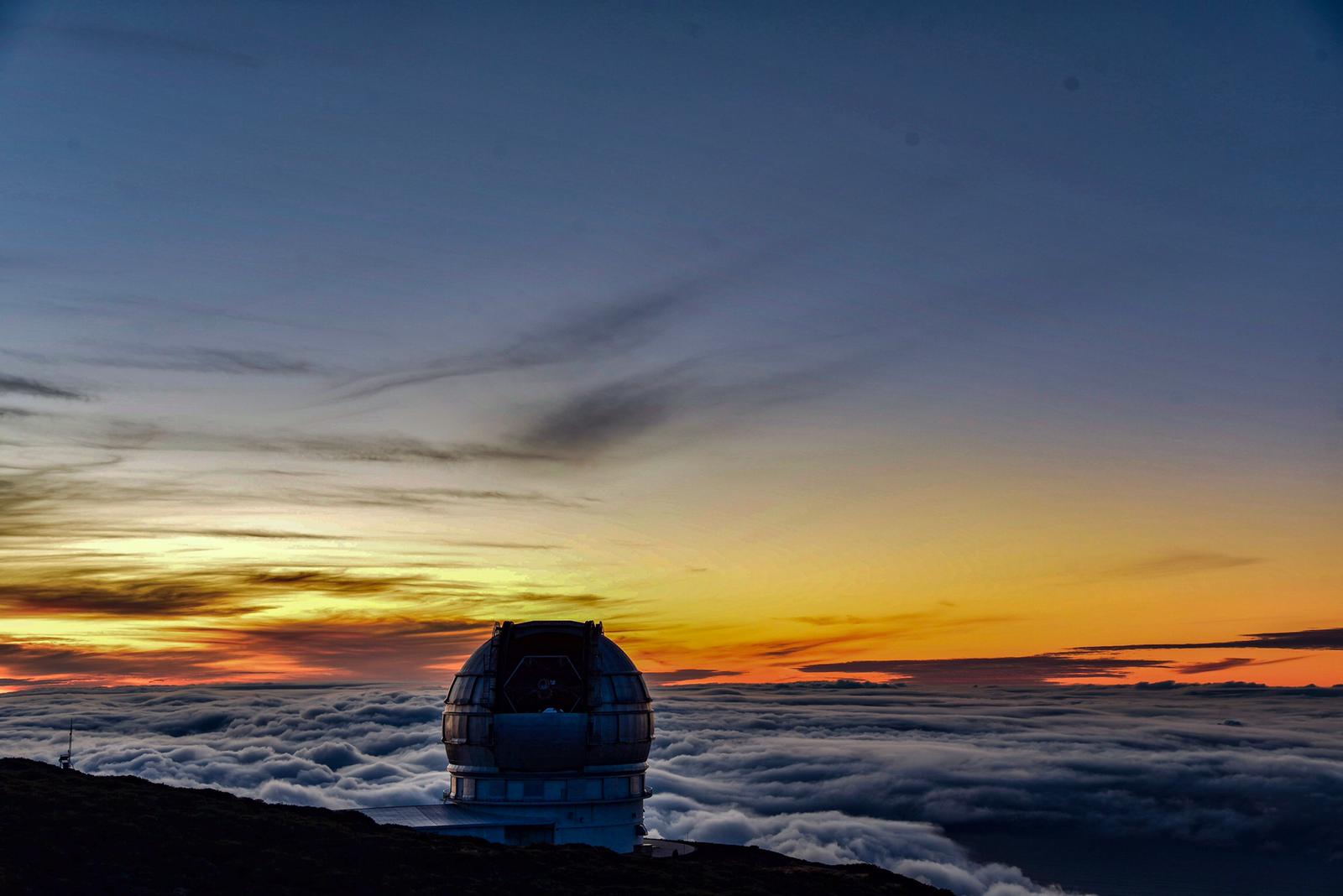
Because of its atmospheric conditions, La Palma has one of the clearest night skies in the world. That’s why a large number of telescopes belonging to different countries have been installed in the Muchachos area to observe the sky.
Getting to Muchachos meant driving along a winding mountain road that took us from sea level to an altitude of 2,300 meters in about an hour. Many people experience dizziness and nausea during this drive, both because of the sudden change in air pressure and the endless twists and turns of the road.
Before going there for night photography, we decided to visit the area once during the day. It turned out to be an incredible experience. Apart from seeing the telescopes, the view of clouds moving over the towns and mountain ranges of the island was absolutely breathtaking.
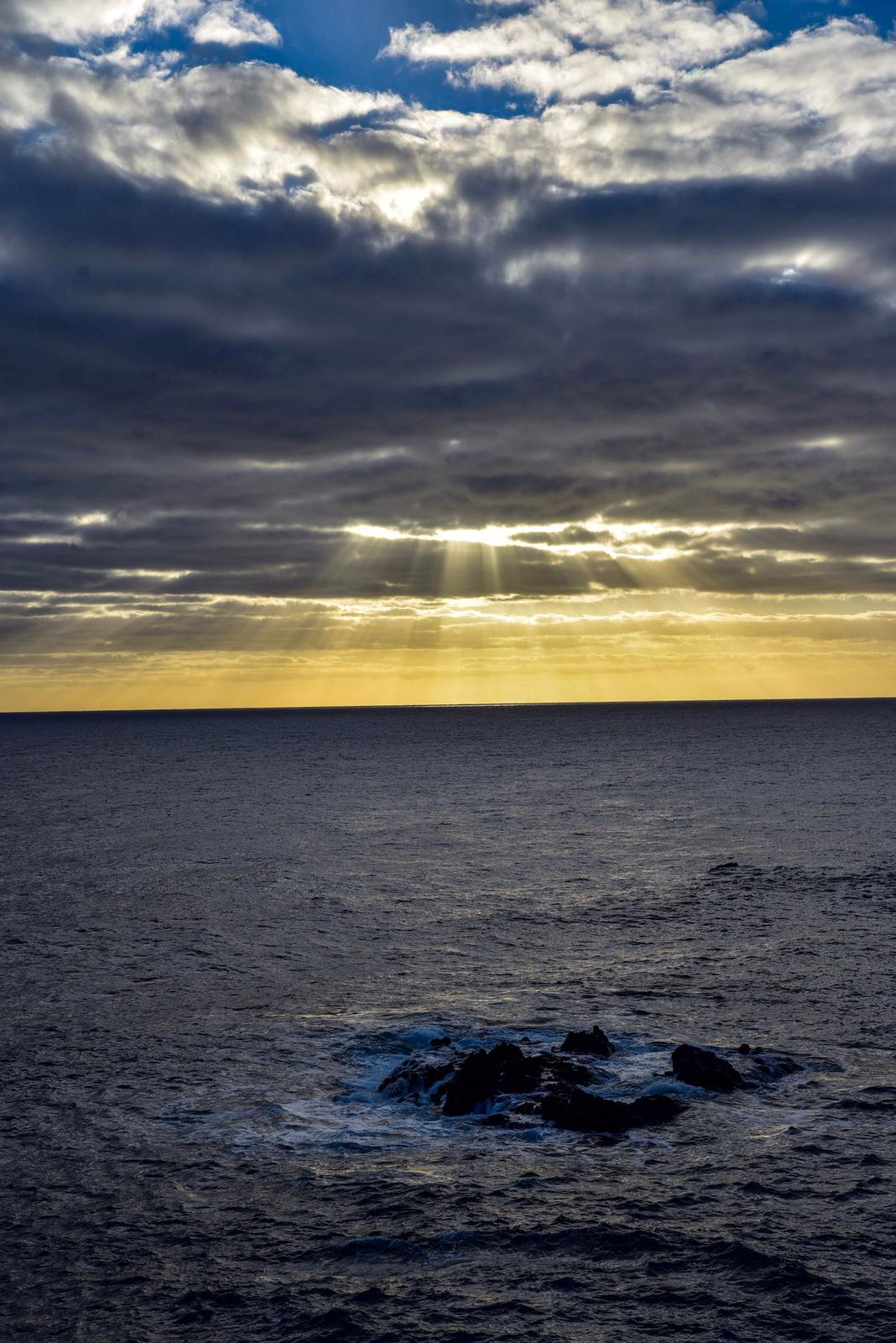
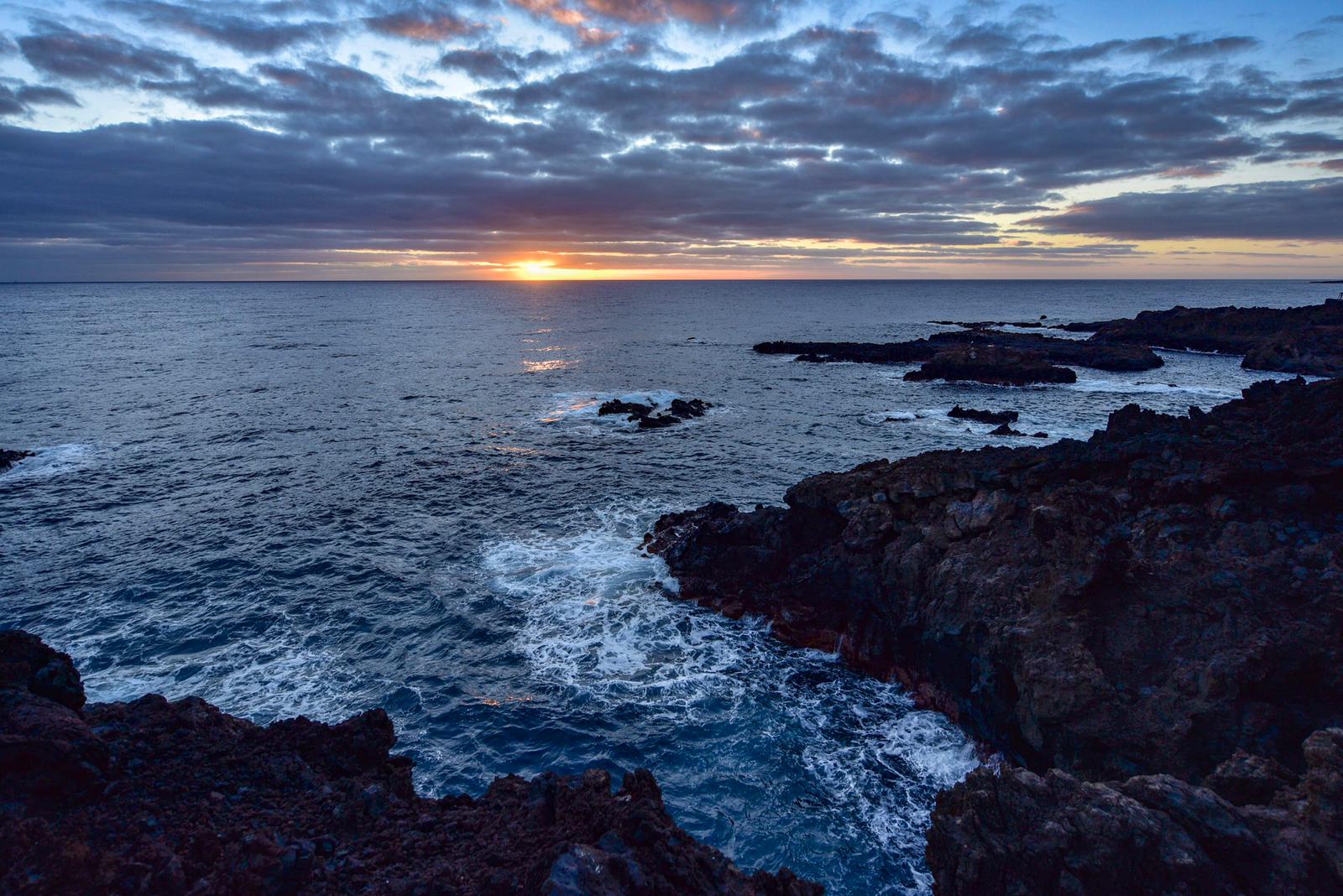
Another one of the most beautiful sights I saw during this trip was the sunset, when the sun seemed to sink into the clouds.
We also managed to take some really good photos there, which you can see.
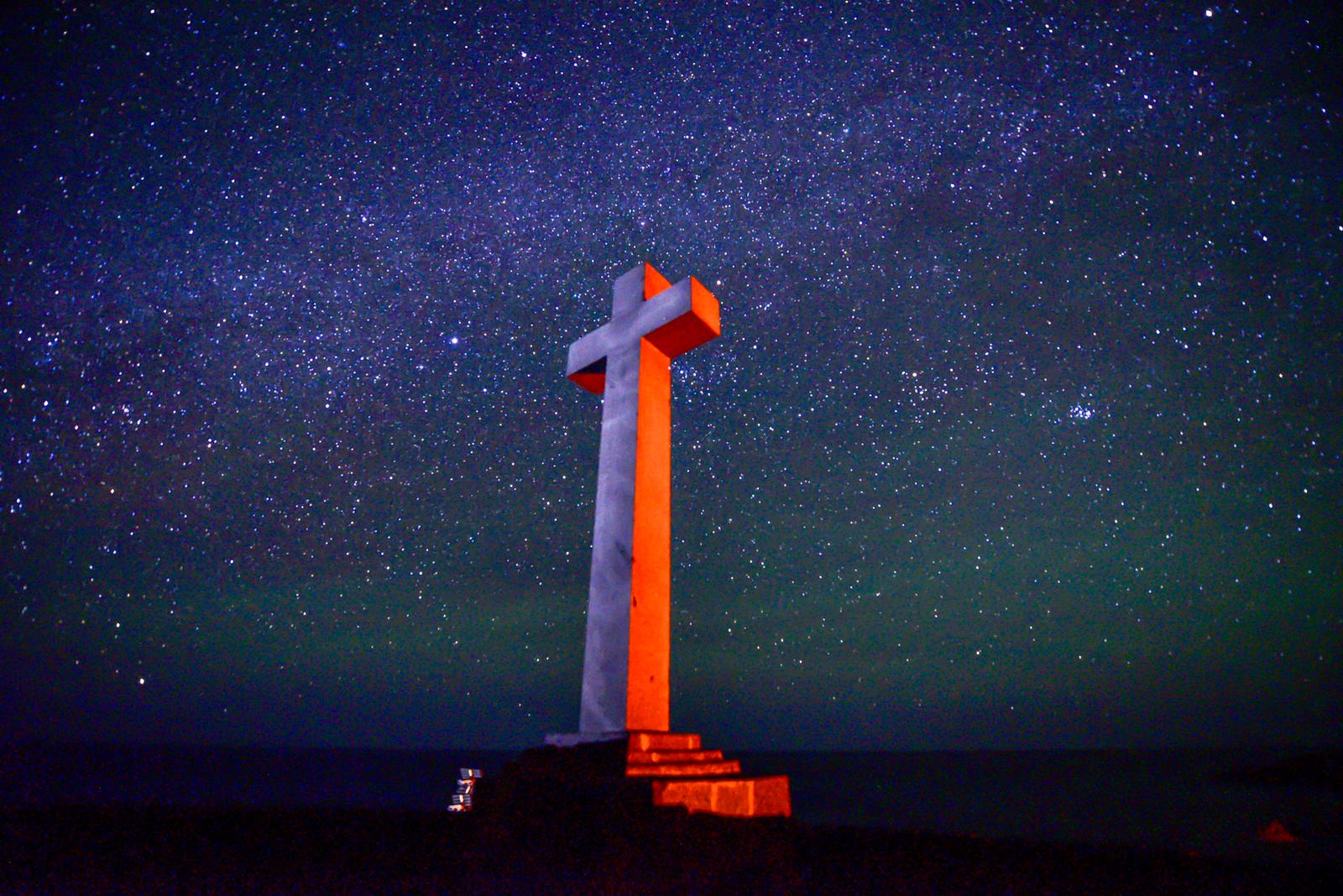
We decided to return the following night to photograph the star-filled sky above Muchachos.
Before the trip, I had checked the island’s weather forecast, which showed temperatures between 15 and 20 degrees Celsius. So I hadn’t brought particularly warm clothes. But things were completely different up in Muchachos because of the altitude.
When we arrived there at night, I realized the temperature was around zero degrees Celsius, and the wind was so strong that it felt more like minus 10 degrees.
Since we were planning to photograph the sky from midnight until 6 AM in those conditions, I had no choice but to put on every piece of clothing I had brought with me. But the cold was so intense that even wearing five layers didn’t seem to help.
Another problem was that cars weren’t allowed to enter the area after 7 PM, so we had to carry all our photography equipment uphill for more than five kilometers. Walking helped us deal with the cold a little, but whenever we had to stand still and wait for a photo, the freezing temperatures became almost unbearable, making long-exposure photography extremely difficult.
Somehow, we managed to keep photographing until 5 AM despite the extreme cold. At one point, we even went back to the car just to warm ourselves up a little.
My friend Kamyar was in a much better situation because he had brought a down jacket. He suggested that I buy one too so we could return to Muchachos and try photographing the night sky again.
The next day, we went shopping in town, and I bought a warm down jacket, a pair of trousers, and a few other things I needed. The plan was to return to Muchachos and finally enjoy photography without worrying about freezing to death.
If you’re planning to travel somewhere cold, I’d strongly recommend relying on a down jacket. In my experience, even ski jackets and other synthetic materials never keep you as warm as natural down.
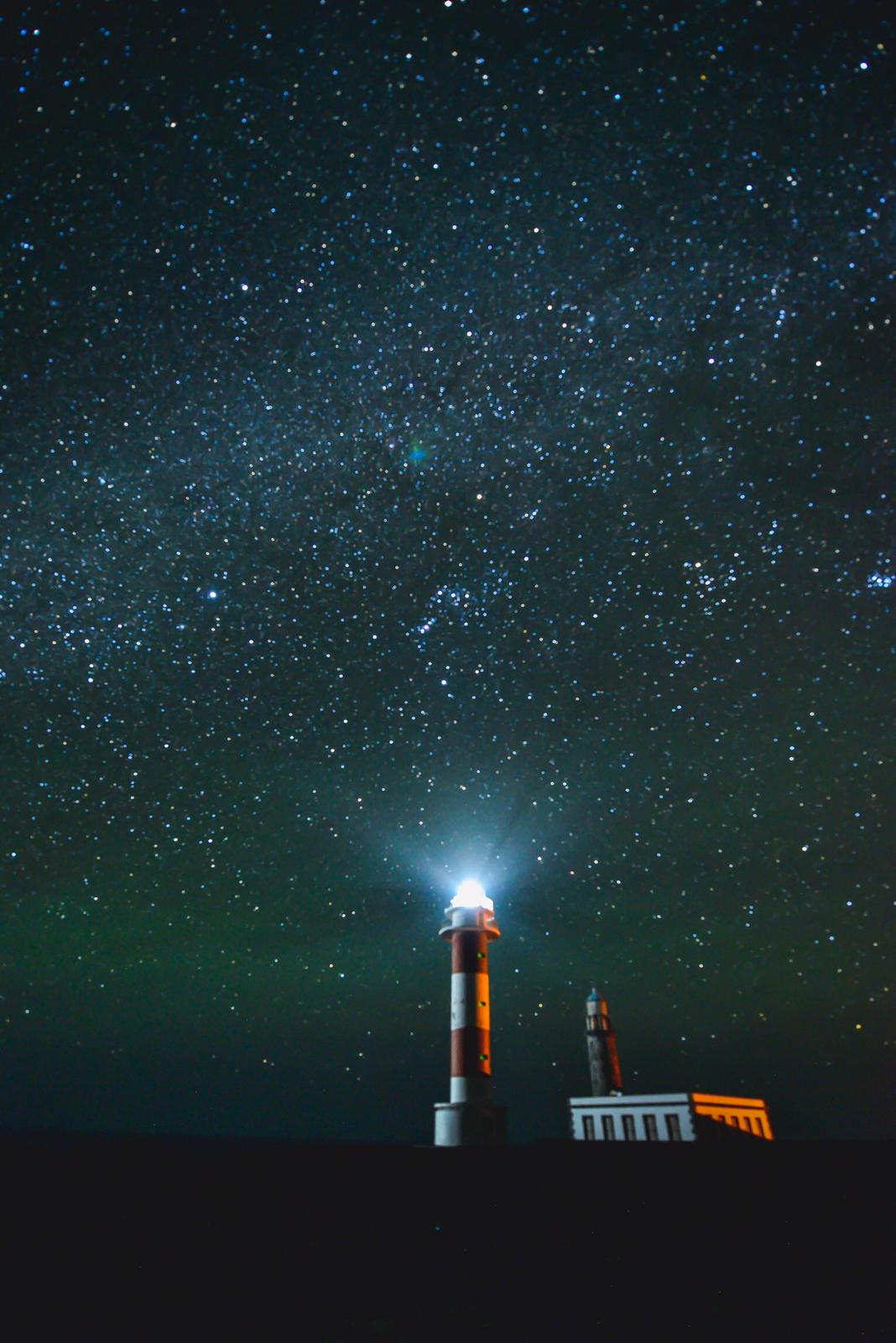
That night, we set off toward Muchachos again, but as we approached the area, we discovered that the road had been closed because of strong winds. We had no choice but to turn around and drive all the way back. To make use of the remaining time, we headed toward a lighthouse about an hour away and took a few photos there. But honestly, we hadn’t expected Muchachos to be closed, and the whole situation really drained our enthusiasm.
We decided to try Muchachos one more time the following night, since it would be our last night on La Palma. Kamyar really wanted to take more photos, so he made some inquiries to make sure the area would be open. The road authorities told us that the main route was still closed, but we could reach Muchachos using another road that was almost twice as long, about two and a half hours of driving. So that’s exactly what we did.
The weather was great throughout the journey, and the sky was completely clear. But the moment we arrived in Muchachos, the entire area was suddenly covered in fog. We decided to hike to the highest point of Muchachos, hoping to get above the fog. But after two hours of climbing a very steep trail while carrying our photography equipment, the fog only became thicker. Then heavy rain and strong winds started, making it impossible even to take our cameras out. After several hours of hiking in those terrible conditions, we had no choice but to return empty-handed.
At times, the wind was so powerful that we felt it might actually throw us into the valley or even cause rocks to fall from the mountains. Wind speeds were around 50 to 70 kilometers per hour.
By the time we reached the car, both we and our cameras were completely soaked. Thankfully, the cameras weren’t damaged, but the feeling of disappointment was overwhelming, especially for Kamyar. He was seriously pursuing night-sky photography at a professional level, and his main reason for coming to La Palma was to photograph the sky from Muchachos. And this was our final night on the island.
It’s true that we couldn’t take the photos we wanted, but those extreme weather conditions were a completely new experience for both of us, and we learned a lot from them.