Cart 0
No products in the cart.

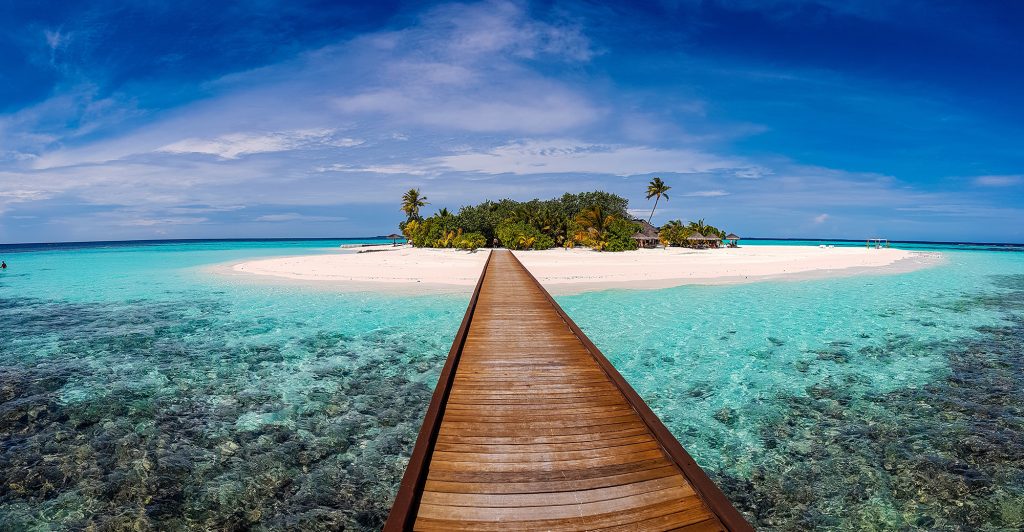
The Maldives, or more accurately, the Maldive Islands, consists of around 1,200 islands, many of which are uninhabited. Some islands belong entirely to a single hotel resort, others have small local village populations, and some have even disappeared beneath the water.
The Maldives is considered the smallest country in Asia and is also the lowest-lying country in the world, with its islands generally rising no more than about two meters above sea level.
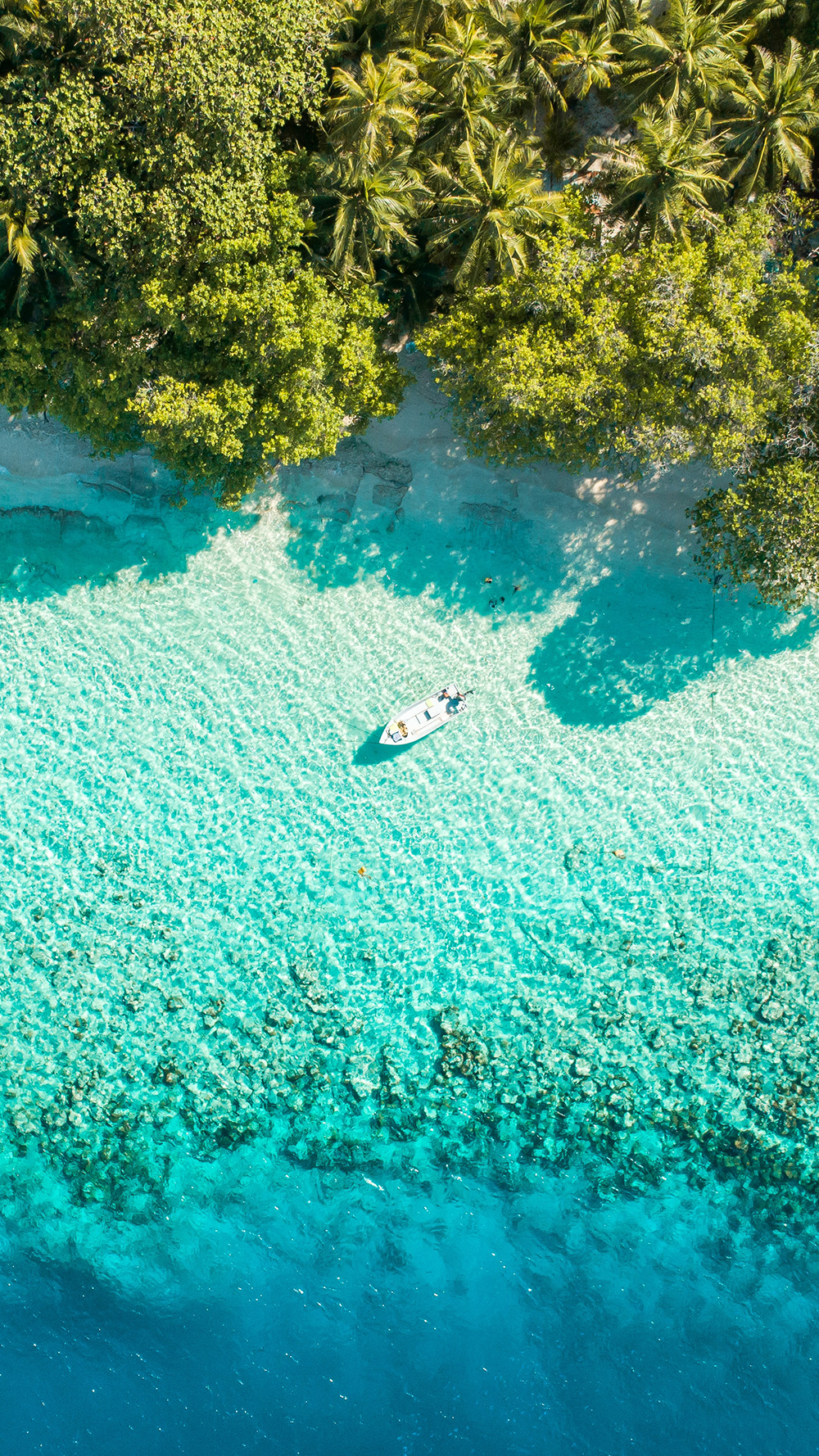
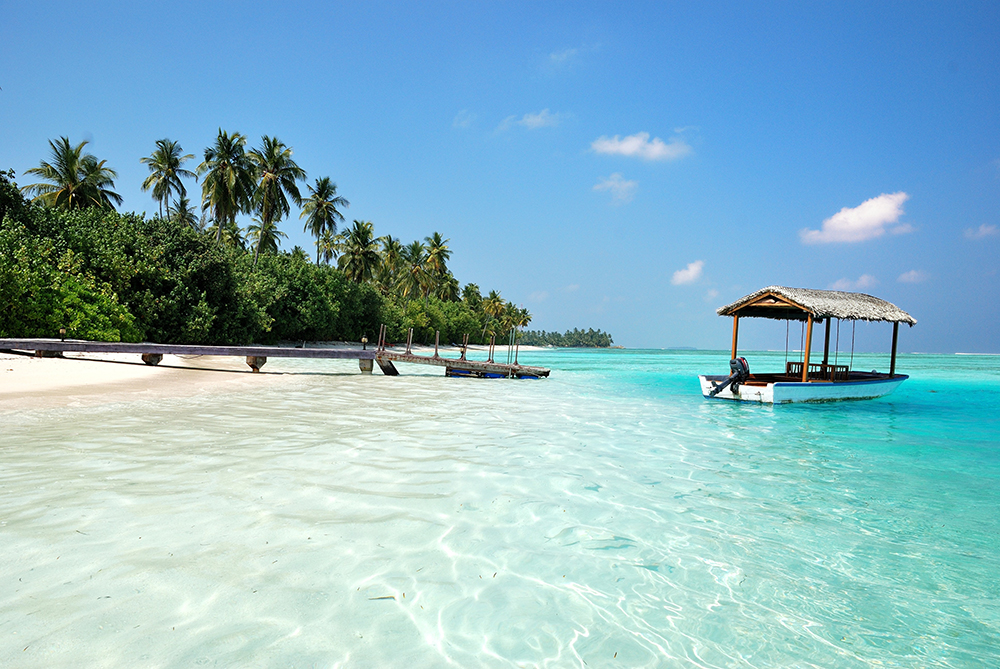
This country is located in the middle of the Indian Ocean, which is why its waters are incredibly clear and crystal blue. Every year, millions of tourists travel to the Maldives for diving, snorkeling, and simply relaxing on its beautiful islands.
More than 1,000 species of fish and marine animals have been recorded in the Maldives, and it’s one of those places where you can quite easily come face-to-face with Mr. or Mrs. Shark!
A trip to the Maldives is also a great opportunity to watch dolphins swimming and dancing through the water.
Although scuba diving is definitely exciting and interesting, in my opinion, snorkeling (wearing a mask with a breathing tube that allows you to watch the underwater world for hours) is the most enjoyable activity in the Maldives.
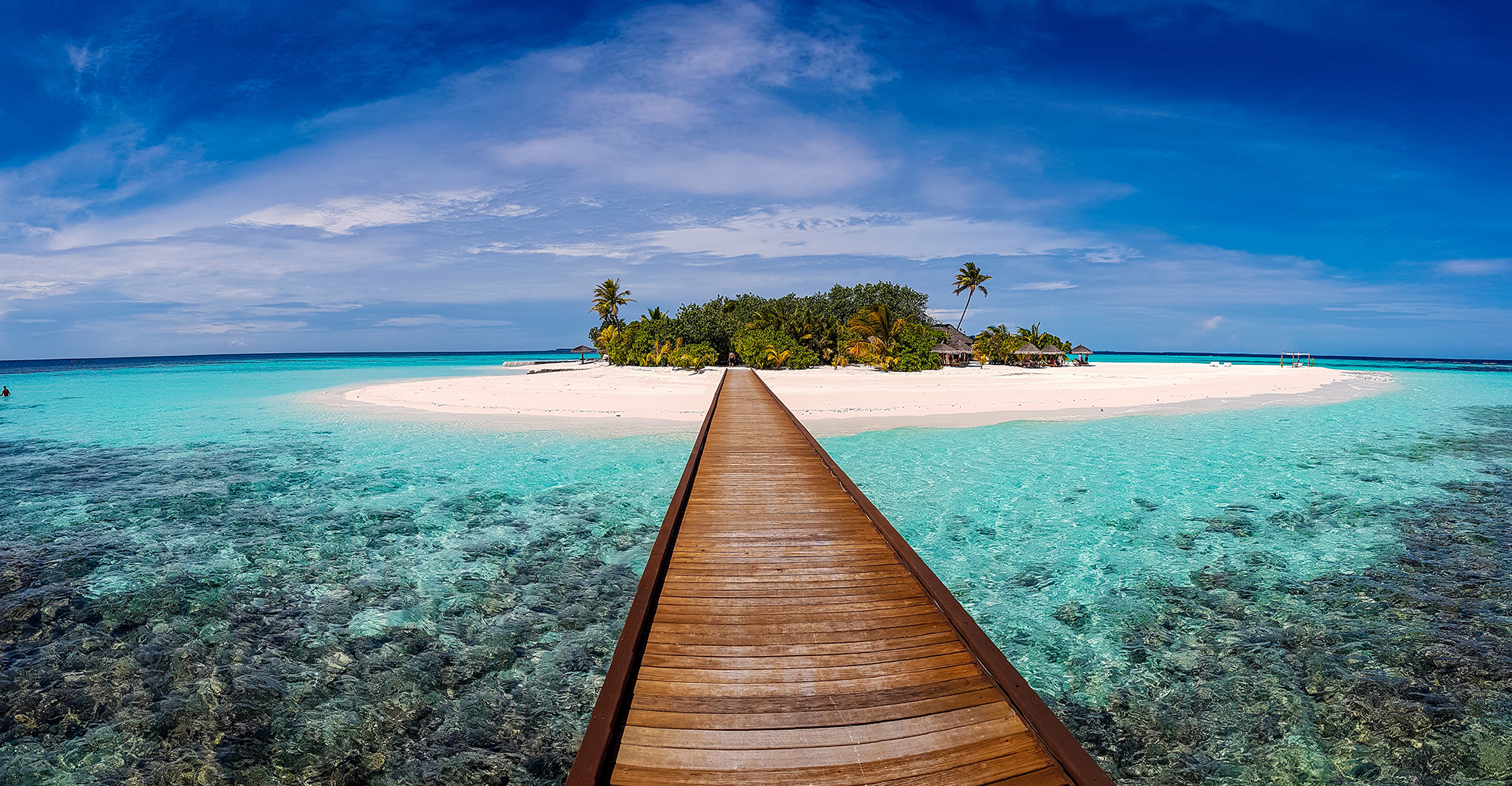
During our trip to the Maldives, we spent an entire week on a tiny island that you could walk around in just 10 minutes. The whole island belonged to one hotel, and its total area was no more than about one square kilometer.
Since most people visit the Maldives for their honeymoon or wedding anniversary, the fact that we were two grown men with big mustaches made our presence there look pretty unusual!
I can honestly say that after four days, we were getting bored. We had already tried every activity available on the island and joined all the excursions around it. There was pretty much nothing left to do until we discovered snorkeling.
After that, we spent almost all our time snorkeling. The underwater world was unbelievably beautiful, and we could see fish swimming right next to our feet that we couldn’t have imagined even in our dreams.
When choosing a hotel, be careful and read other travelers’ reviews so you can make a good decision.
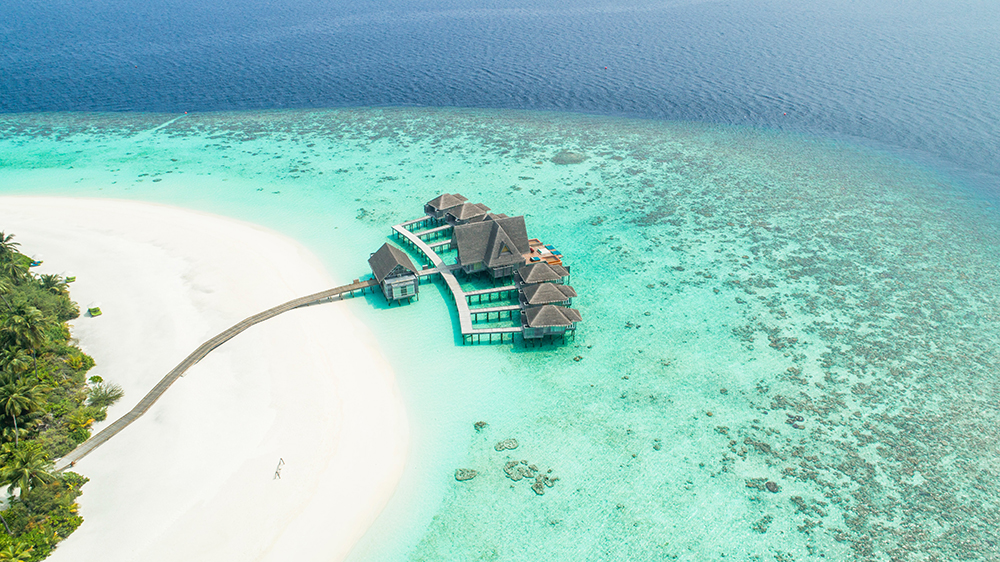
I definitely recommend spending at least a few nights in an overwater bungalow (Water Bungalow). These rooms often have glass floors that allow you to watch the underwater world directly beneath you, and some even have stairs leading straight from your room into the sea.
Some of these bungalows also have private swimming pools, which naturally makes them more expensive.
Many hotels don’t have swimming pools, and at some others you might constantly hear airplanes flying overhead. There can be other inconveniences too, so it’s worth paying attention to these details before booking.
If you’re traveling with a tour, everything will usually be arranged for you. But if you’re planning the trip yourself, there are a few things you should keep in mind:
• Most hotels provide their own transfers and pick you up from the airport by boat to take you to the island where your hotel is located (definitely check this before booking). If your hotel doesn’t provide this service, you may be able to arrange transportation at the airport.
• You’ll usually spend your entire trip on one island, so I suggest checking the hotel’s food prices in advance or booking a hotel that includes breakfast, lunch, and dinner.
• Many hotels don’t have Wi-Fi, so make sure to buy a local SIM card with internet access when you arrive at Malé Airport (Malé is the capital of the Maldives, a country with a population of around 400,000 at the time of my trip).
• Exchange as much money as you think you’ll need at the airport.
• Some islands are about an hour away from Malé, so don’t rely too much on having easy access to hospitals or doctors. Bring any medications you might need. I’d even recommend carrying a blood pressure monitor and a blood glucose meter with you, just in case.